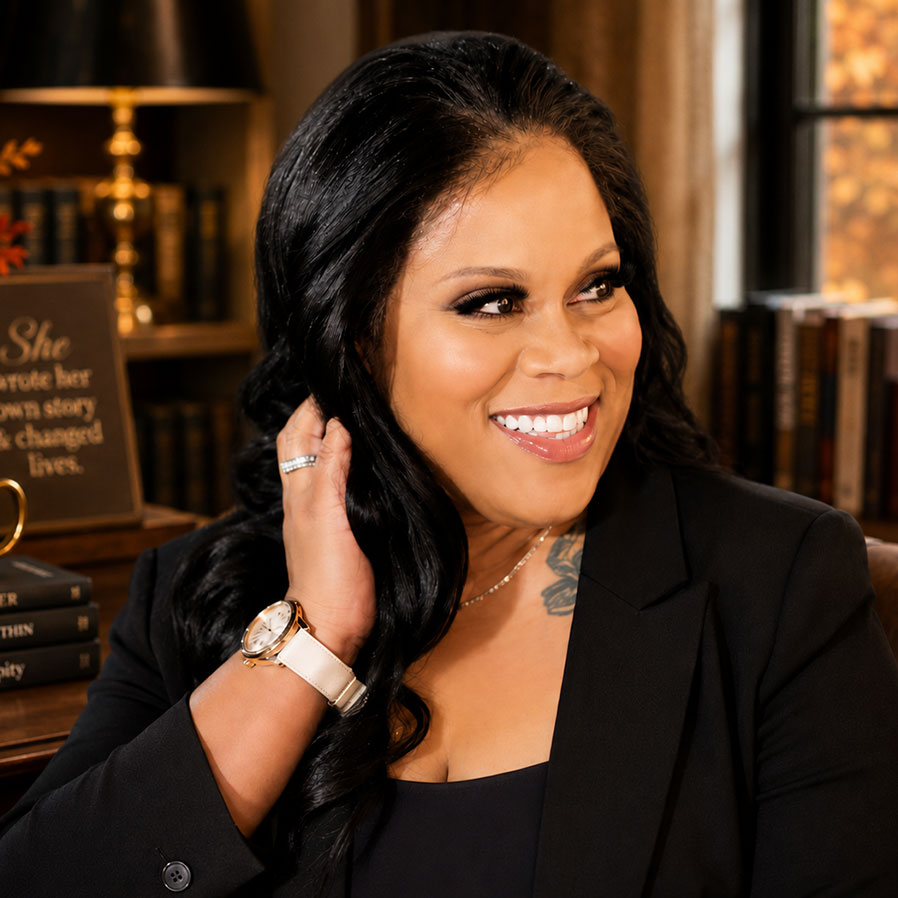
Lennox Bailee is a bold new voice in contemporary nonfiction, known for her raw honesty and fearless storytelling. She writes from lived experience and amplifies the voices of other women who have chosen to share their stories with her, weaving them into Side Chick Culture: Real Women’s Experiences
Bailee is not an academic or licensed therapist—nor does she claim to be. Instead, she positions herself as a cultural truth-teller, drawing authority from lived experience, research, and years of conversations with women across communities and online forums. Her insights are informed by her personal journey as both “the side chick” and “the main chick,” hard-won lessons in self-worth, and her reflections as a Black woman navigating love, pain, faith, and societal judgment.
Raised between a strict, disciplinarian father and a mother who struggled with addiction, Bailee’s early life was shaped by absence, resilience, and the need to define her own worth. Her father—despite only being present in her life for a short time before his passing—taught her lessons in self-care, discipline, and self-respect that continue to guide her today. Writing this book became a form of therapy and transformation and enabled her to reclaim her story and extend that healing to others.
Beyond her personal experience, Bailee has invested years in self-education—immersing herself in podcasts, self-help books, biblical study, and the stories of other women. She has intentionally cultivated the ability to give voice to others’ emotions and choices, creating a platform where shame is dismantled and women’s agency is affirmed.
Why She Wrote This Book
Bailee wrote Side Chick Culture to challenge the double standards placed on women and to reclaim dignity for those whose choices are often dismissed or vilified. She was inspired by her own experiences with betrayal and judgment, as well as the stories of other women who trusted her with their truth. For Bailee, this book is less about glorifying side-chick culture and more about showing the humanity, complexity, and pain behind it. Most importantly, it is about teaching self-love, no matter what society says.
As a religious woman, Bailee roots her perspective in faith and believe that judgment, over one’s relational choices, belongs to God alone. She wants women to walk away from the book with a deeper sense of self-worth, a reminder that their choices—good, bad, or complicated—do not erase their value.